A certified nursing assistant (CNA) or a caregiver can easily assist people with home care. However, they must have the right qualifications and training to offer the specific services to those in need.
The CNA vs caregiver debate is a common one in the field of healthcare in the United States. However, their training, duties, and even working conditions differ from each other.
According to the U.S. Bureau of Labor Statistics, the employment of home health and personal care aides is projected to grow by 17% in 2034. This implies the rising demand for CNAs and caregivers who can assist those getting older, sick, or disabled.
This guide walks you through what differentiates caregivers from CNAs and which career is the right choice for your needs.
Read More: HHA vs CNA: Certification, Pay & Role Differences in 2025
Who is a Caregiver?
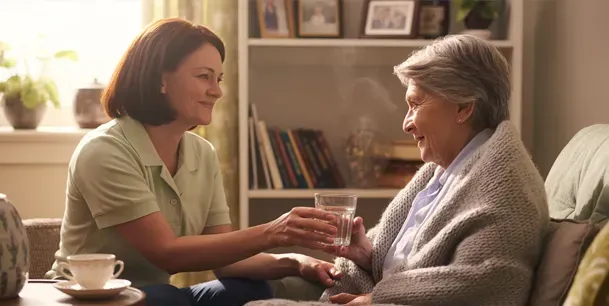
A caregiver supports a patient’s health and well-being with non-medical assistance. Those who receive care from these professionals struggle to perform daily activities because of advanced age or a chronic disease.
Caregivers ensure these people get the help they need to live as independently as possible.
These professionals who become caregivers are generally classified into two broad categories. The first is family caregivers, or members of a care recipient's family, who fulfill a noble role commonly driven by love. The other category includes professional caregivers, who are paid and may work in a wide variety of environments.
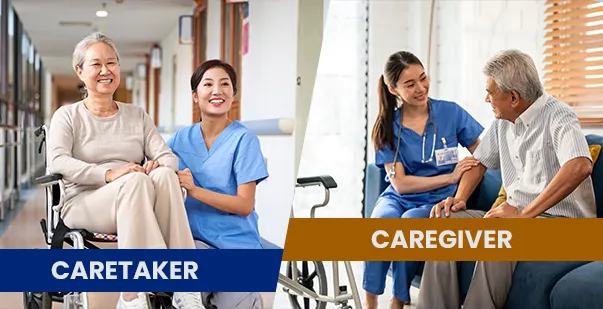
Read More: Caretaker Vs Caregiver - Know the Differences
What Does a Caregiver Do?
A caregiver's responsibility is to promote a patient's physical, mental, and emotional well-being by being available to them in times of need. Though fulfilling that responsibility may involve multiple specific functions, caregiver duties usually come down to the following areas of service:
Personal Care
Assistance with the activities of daily living that elderly or sick patients can no longer perform themselves. This includes bathing, grooming, dressing, or walking. Caregivers also offer additional support activities, such as meal preparation, transportation, and light housekeeping.
Companionship
Develop personal connections with patients who often experience loneliness because of limited opportunities or abilities for better social engagement.
Medication Reminders
Track prescribed medications and their usage so that the patients can follow proper dosages and schedules in the long run.
Who is a CNA?
A CNA, also called a nurse aide, is a medical professional who provides basic patient care, including support with activities of daily living. CNAs work under the supervision of advanced practice nurses or registered nurses as part of a healthcare team.
Most CNAs work in nursing care facilities, hospitals, retirement communities, or assisted living facilities.
What Does a CNA Do?
A CNA generally provides the same support with activities of daily living as a caregiver. However, they have a formal certification, meaning they are trained to deliver certain medical services, like:
Measuring and recording vital signs.
Taking patient histories.
Gathering and recording patients' health concerns.
Preparing medical equipment for use in examinations.
Dressing patients’ wounds.
Dispensing medications (in some states, depending on their training)
Read More: What is the Difference Between PCA and CNA?
CNA vs Caregiver: What are the Differences?
Although CNAs and caregivers have similar duties and responsibilities, there are some primary differences between the two roles. The table below breaks down the major differences to help you clearly understand the caregiver vs nurse aid comparison.
Category | CNA | Caregiver |
Training Required | Must complete state-approved CNA training program and pass a certification exam | No formal medical training required; training varies by agency or state |
Certification | Mandatory certification from the state nursing board | Not mandatory (except in states with specific guidelines) |
Scope of Care | Provides both personal care and clinical support under supervision of RNs or LPNs | Provides personal care (bathing, grooming, companionship, meal prep) |
Medical Tasks Allowed | Can perform basic medical tasks like taking vitals, assisting with medical equipment, monitoring patient conditions | Limited to non-medical tasks; cannot perform clinical procedures |
Work Environment | Hospitals, nursing homes, long-term care facilities, clinics, and sometimes home health | Mostly home care, assisted living facilities, private households |
Level of Responsibility | Responsible for patient hygiene, medical monitoring, and supporting nursing staff | Focused on comfort, safety, and daily living assistance |
Supervision | Works under licensed nurses (RNs/LPNs) | Works independently or under agency guidelines |
Average Cost to Hire | Higher due to certification and wider skill set | Generally lower cost |
Regulation | Highly regulated with strict training and renewal requirements | Minimal regulation |
Read More: Top Benefits of Caregiver Certification for Your Career
Training and Qualification for Caregivers and CNAs
Knowing the differences between the professional roles of caregivers and nurse aids is not enough. You must also learn about the various options available in these professions. Here’s an overview:
Caregiver: Training, Certification, and Job Expectations
Several caregivers work for an agency that usually assigns them home care jobs. However, before a home care agency hires someone, they’ll look for background, education, or experience. Sometimes, these agencies may even expect these professionals to take a caregiver certification course.
To become certified, these professionals can easily enroll at a local college or find a training program through the Red Cross or other local resources. Alternatively, they can also join an online program like Basic Trainer for Caregivers.
CNA: Skills, Training, and Work Settings
Most nursing assistants or CNAs work in skilled medical facilities (37%) and hospitals (30%).
CNAs working in nursing homes help patients with their respective medical needs and basic care. They also help these patients engage in various social activities.
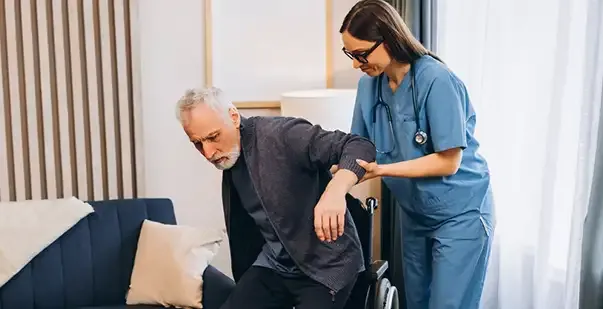
Nursing assistants in hospitals must also take care of patients by monitoring their vital signs and helping them reposition in bed. Sometimes, they may even need to move them from a bed to a wheelchair and back.
It’s also common for a CNA to work in assisted living facilities, such as residential care centers and retirement centers. Aside from CNA training comparison, those interested in this profession must also be equipped with housekeeping work, such as changing and cleaning bed linens.
Career Outlook: CNA vs Caregiver
If you are interested in entering the healthcare field as a CNA or caregiver, there are several considerations to keep in mind. This allows you to choose a career that fits your requirements. Here’s an overview:
Working as a Caregiver
The caregiving field is projected to grow by 33% over the next decade, with over 600,000 average job openings yearly. This growth implies an increase in demand for home care services with the aging of the baby boomer generation.
There’s also a shift in perception around the entire caregiving profession.
With so many Americans caring for their family themselves instead of sending them to a healthcare facility, more individuals realize the value of respite care and home care workers in general.
Working as a CNA
The predicted growth rate for CNAs from 2020 to 2030 is 8%. While not as high as the expected job outlook for caregivers, the field of nursing aids is growing faster than others in the healthcare field. This can be attributed to a higher demand for healthcare with the growing elderly population. Assisted living facilities, nursing homes, and hospitals will continue to depend on certified nursing assistants for care.
The U.S. Centers for Medicare & Medicaid Services (CMS) has already announced over $165 million in supplemental financing for programs that allow older adults to transfer from a nursing institution to their homes.
This could also impact demand for nursing aids because more families may seek their services to help the sick and the elderly.
Get Certified to Become a CNA or Caregiver
Professionals can come across multiple differences when comparing a CNA vs caregiver role. While caregivers perform non-medical tasks to aid patients in their homes, CNAs provide nursing care to patients in medical facilities. If anyone wants to join these personalized caregiving services, they must be skilled enough to seek employment opportunities. The best thing to do is to enroll in a CNA or caregiver certification to acquire the skills and knowledge to assist patients. This also allows individuals to seek potential job opportunities across the healthcare sector in the future.
FAQs
How long do CNA or caregiver certifications last?
The validity of a CNA or caregiver certification depends on state regulations and the particular type of certification. Most of these certifications last one to two years before needing renewal. Updating them usually involves continuing education, refresher courses, or background checks.
Can I become a caregiver without a CNA?
Yes, you can work as a caregiver without having a CNA certification. Several caregiving jobs, especially in assisted living and home care, do not require CNA training. Some states or employers may also ask you for a caregiver certification, first aid training, or background checks.
Which is better, CNA or caregiver?
A caregiver may be sufficient for individuals who need help with daily activities but do not have significant medical needs. However, a CNA would be more appropriate if medical assistance is necessary, especially because of their specialized training and ability to perform medical tasks.
Which certificate is best for a caregiver or CNA?
A CNA certification is ideal for those looking to work in skilled nursing facilities or hospitals because it involves medical-related tasks. A caregiver certification, on the other hand, is a good option for those wanting to assist clients with daily activities in private homes or assisted living settings.
References
















.webp)